
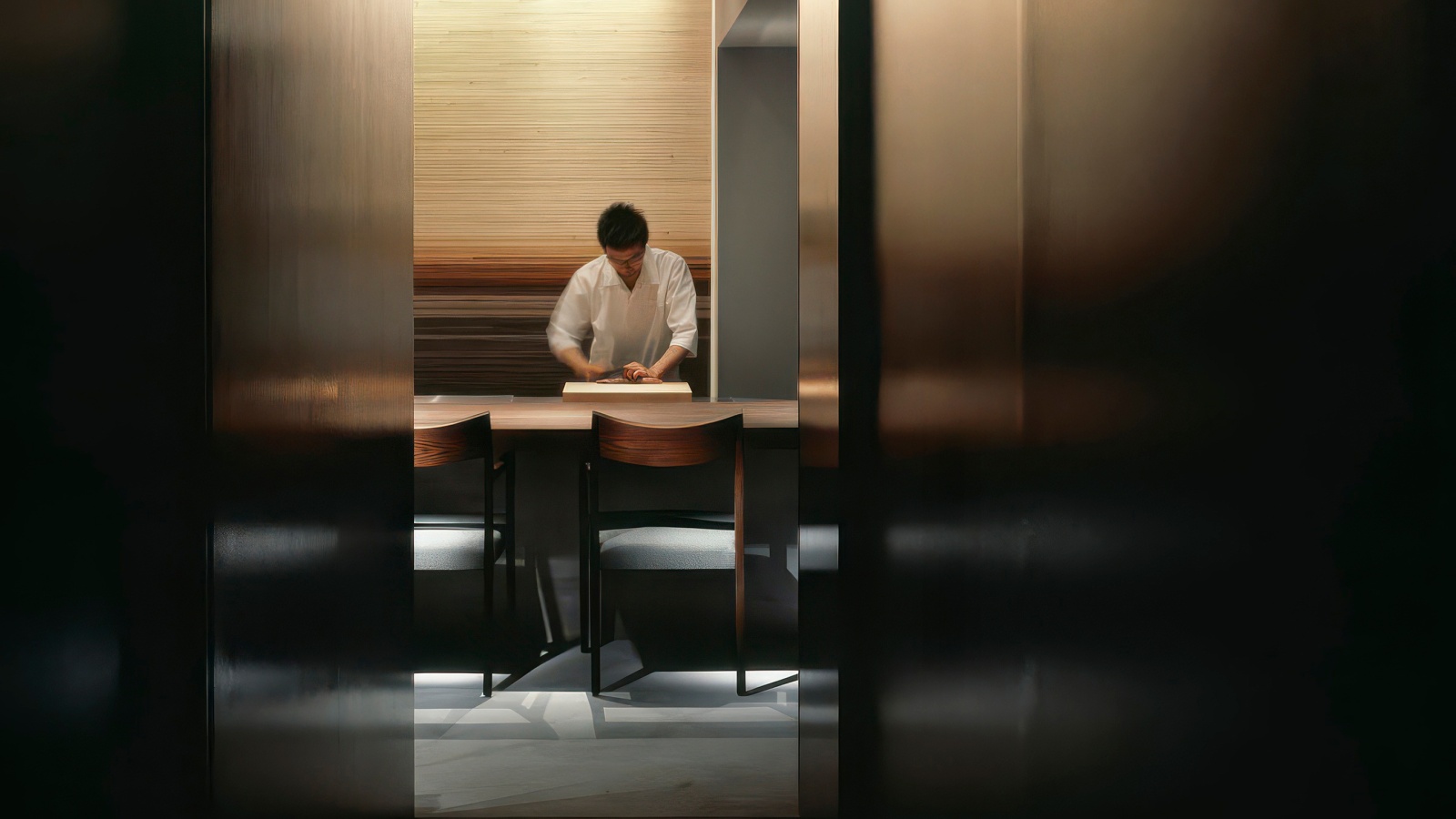
At WeWantMore, we have designed across the full spectrum of F&B — for Michelin-starred chefs to fast-casual concepts, from first-time founders to global hotel groups.
The principles remain constant: uncompromising creative vision, space as brand IP, material storytelling, and the discipline to identify non-negotiables. What changes is how these principles are tailored to each client's ambition, audience, and operational reality.
This article first examines the principles at their most uncompromising, where perfection is pursued across every dimension, before showing how the same thinking translates into commercial contexts, where a clearly defined vision unlocks exponential effect.
The Passion-Process Paradox
While conventional wisdom suggests that moderation, standardisation, and risk mitigation drive sustainable business outcomes, in my experience the world's most celebrated dining establishments have proved the opposite.
Instead they demonstrate that extreme creative demands, when executed with disciplined precision, create market positions that transcend traditional competition entirely.
Great restaurants don't succeed despite their chefs' extraordinary demands for perfection; they succeed because of them.
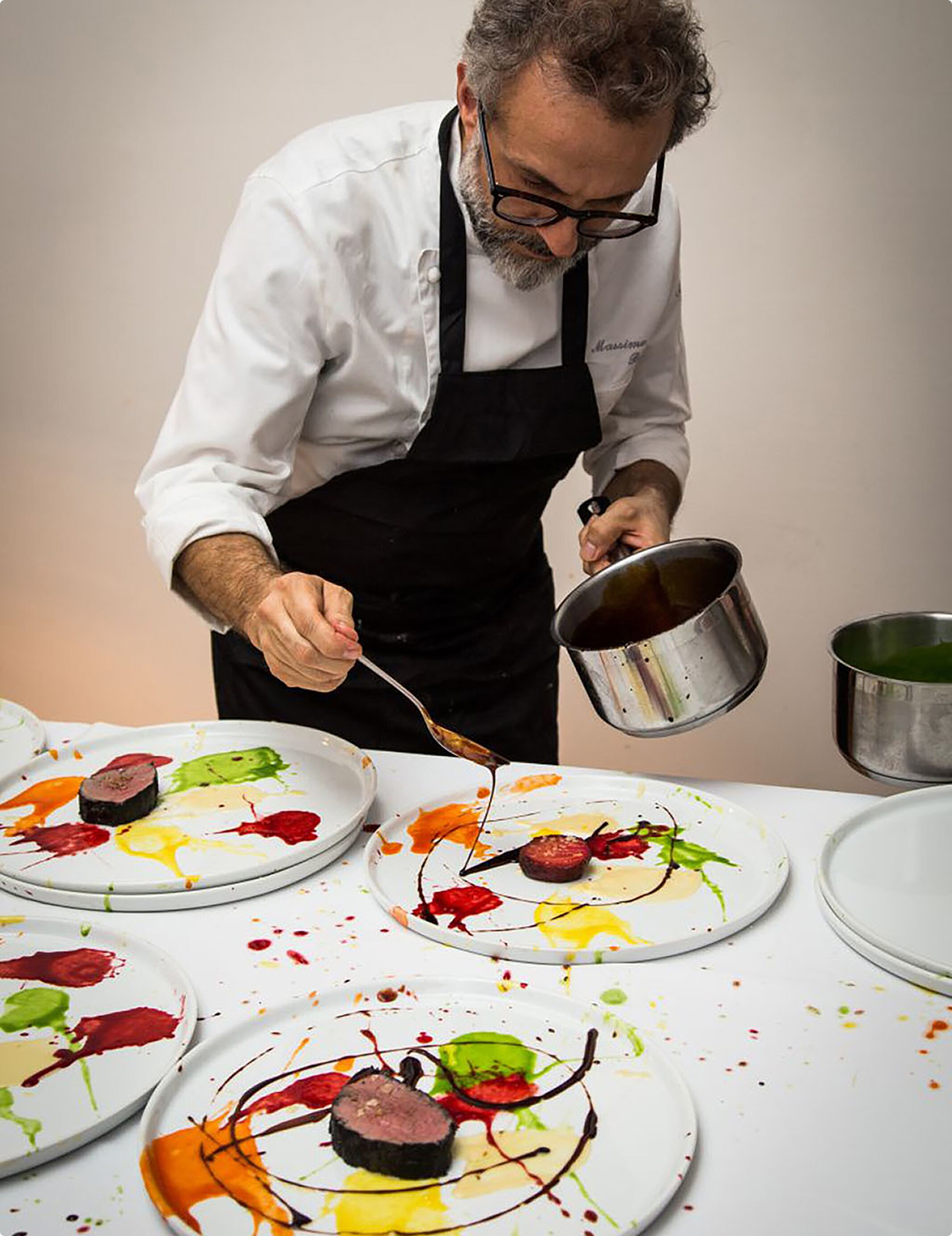
Ruud Belmans — Executive Creative Director, WeWantMoreGreat chefs aren't just entrepreneurs; they are visionaries, artists, and sometimes autocrats who demand the impossible. The greatest hospitality experiences are created when chefs refuse to separate their artistic vision from their business model, instead using their uncompromising creative standards as the foundation for distinctive experiences in a world of growing sameness.
The world's most successful restaurants would seem to operate at the intersection of two seemingly contradictory forces: boundless creative passion and rigorous operational discipline. Traditional business metrics suggest standardisation and cost reduction drive profitability. Yet restaurants that command premium prices and generate international pilgrimage have often operated by entirely different principles.
Instead these establishments create experiences so singularly unique and emotionally resonant that customers willingly pay hundreds, if not thousands of euros, and travel across continents for something that cannot be replicated anywhere else. The tension between their uncompromising creative vision and operational excellence becoming the source of their power and allure, not a problem to be solved.
The Design Philosophy of Impossible Visions
In fact arguably the most successful restaurants are those where the chef's impossible vision becomes a design brief that pushes previous boundaries, where the architecture serves as a frame for their artistry, where function follows feeling or instinct, and where every spatial element exists to amplify the experience they want to deliver. These establishments can demand that designers solve challenging spatial problems to create experiences that truly cannot be replicated.
Site-Specific Architecture
Site-Specific Architecture, for example, emerged through chefs who demanded spaces that couldn't exist anywhere else. A legendary example of this was Noma 2.0, which saw BIG and Studio David Thulstrup reimagine the restaurant as interconnected glass houses that blur indoors and out, turning the building into an extension of René Redzepi's foraging-based philosophy. Its unreplicable fermentation laboratory in Copenhagen synthesises local terroir with the chef's vision and architectural innovation.
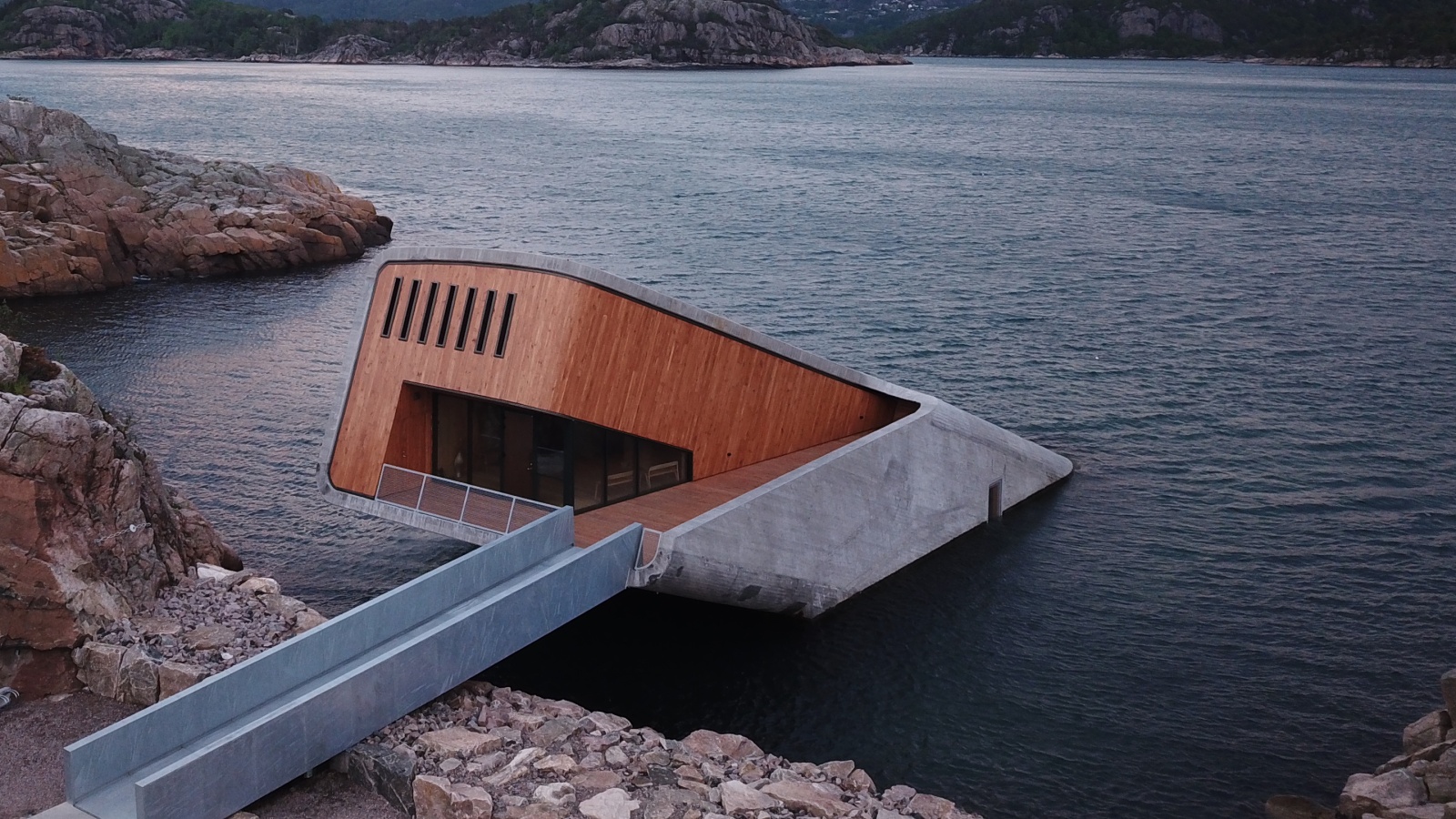
Even more extreme is Under in Lindesnes, Norway, which pushes site specificity to new limits: Snøhetta's half-submerged structure makes the North Sea itself the dining room, tying chef Nicolai Ellitsgaard's menu to underwater vistas and on-site marine research in a rarely attempted approach. It is Europe's first and, at opening, the world's largest underwater restaurant that also functions as a permanent marine research center.
Space as Experience
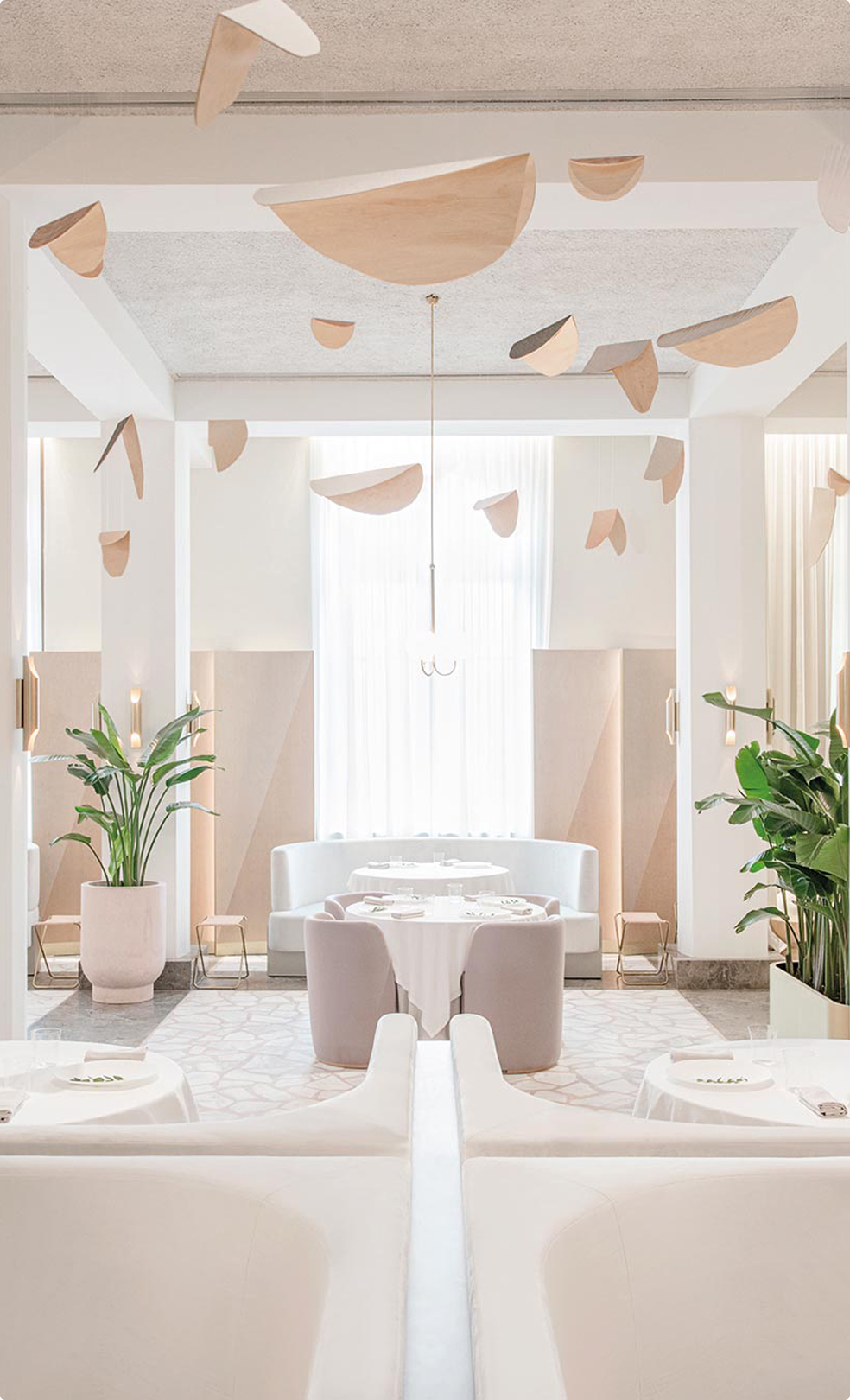
Space as Experience emerges when design itself becomes the competitive advantage. Odette demonstrated this through Sacha Leong's gallery-like palette within Singapore's National Gallery, where the soft, contemplative design amplified Julien Royer's refined cuisine while honoring the cultural institution that housed it.
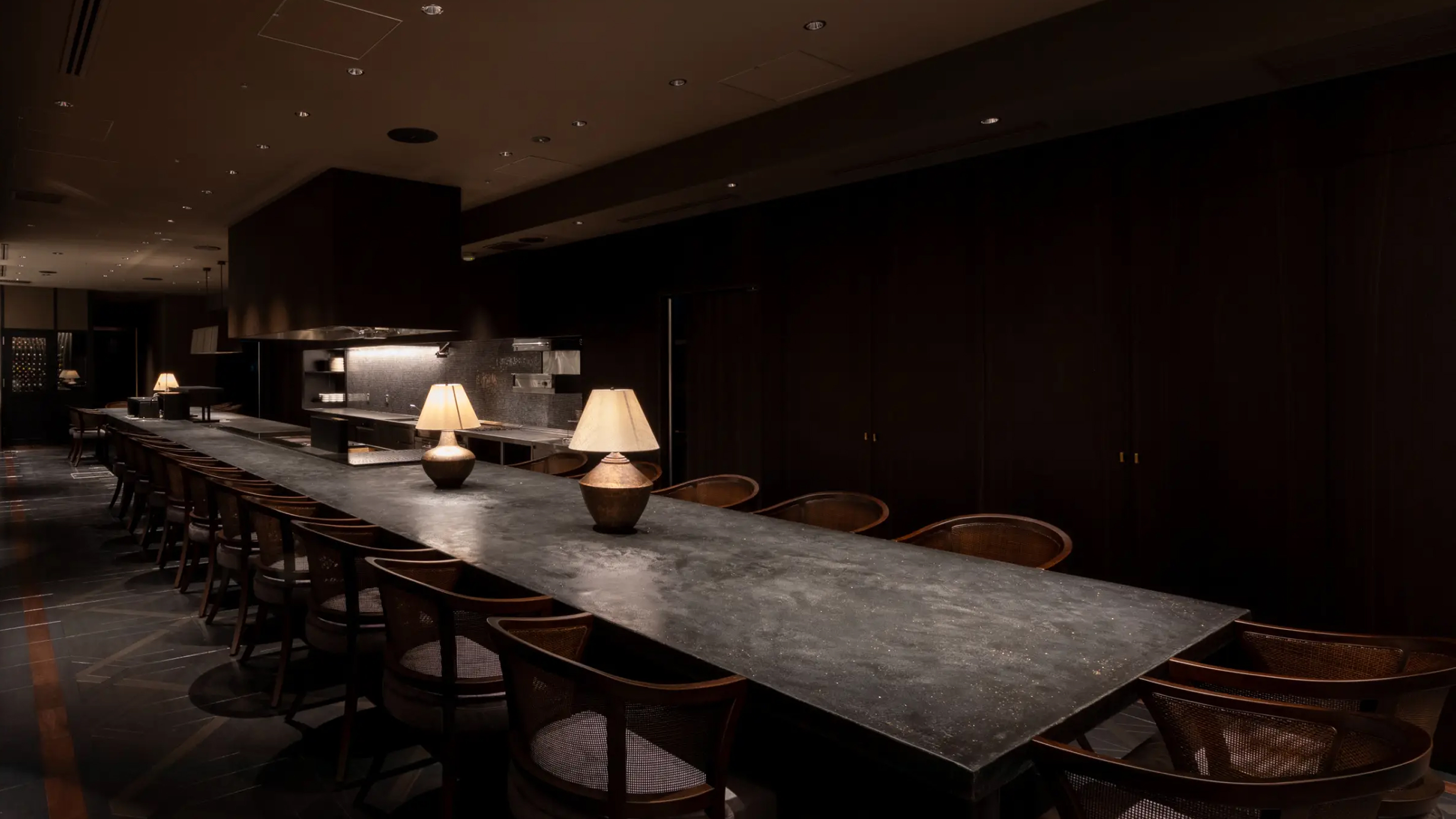
Florilège's new Tokyo location built around a communal "table d'hôte" concept exemplified how a space-as-story approach transformed dining into a shared narrative experience. The most inspiring restaurants can 'synthesise' multiple cultural traditions, artistic movements, and intellectual frameworks to create entirely new forms of culinary expression. Every element from initial contact to final farewell is designed to create emotional peaks and valleys that mirror great storytelling structure.
Material Innovation Storytelling
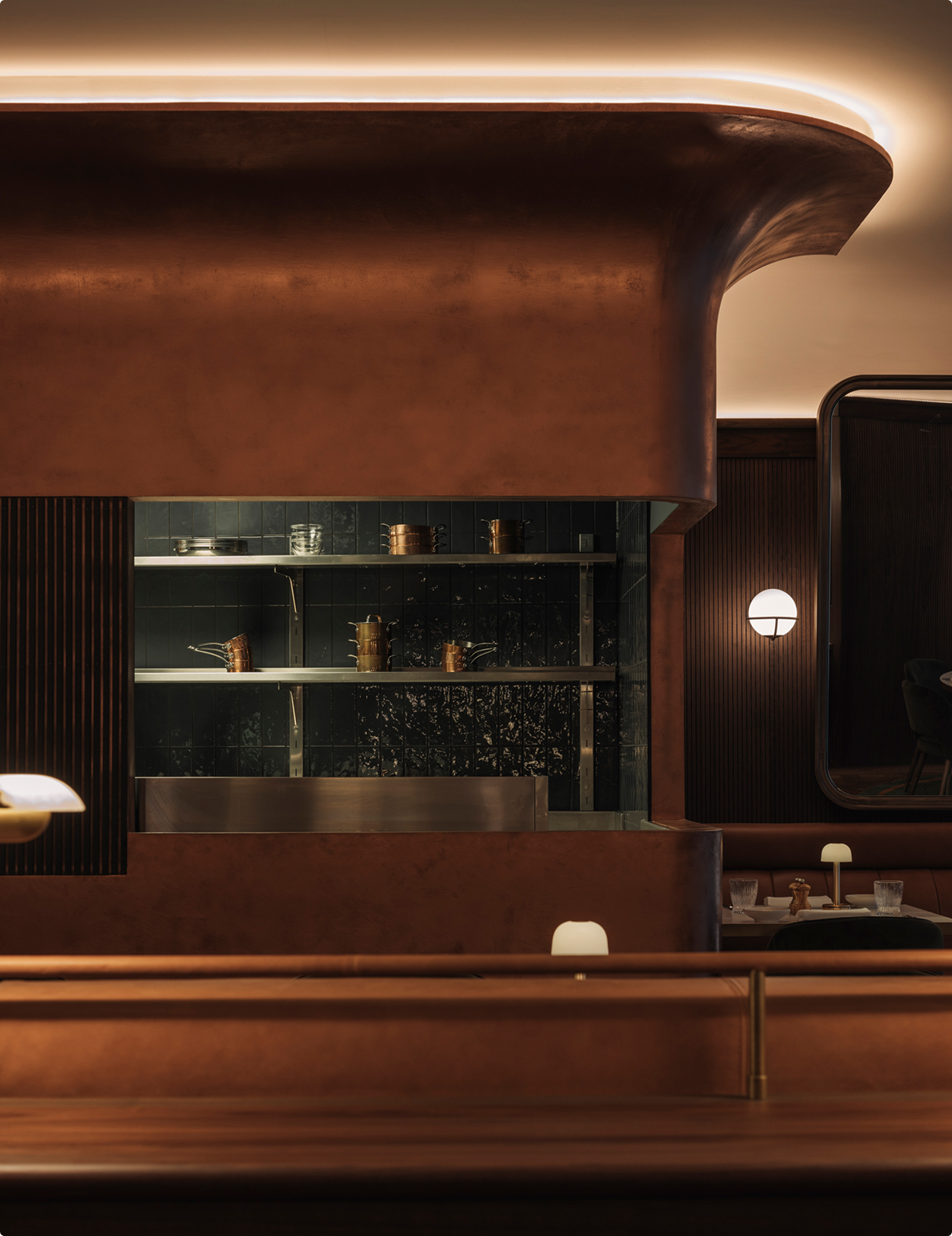
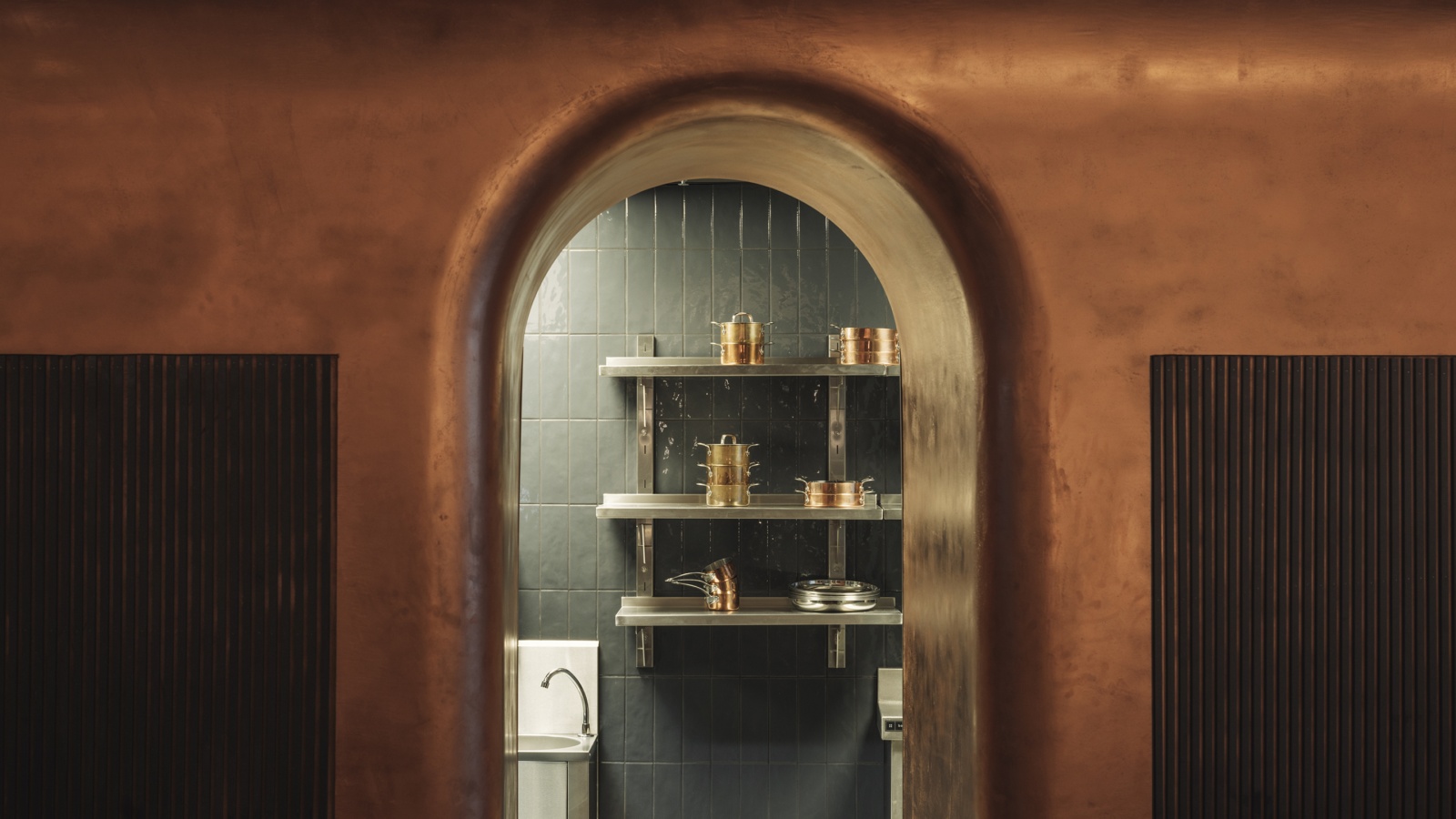
Material Innovation Storytelling occurs when chefs insist that physical elements become part of the narrative. Le Petit bon bon at Corinthia Brussels, led by Michelin-starred chef Christophe Hardiquest and designed by WeWantMore's Masha Nazarenko, occupies the former Grand Hotel Astoria, which had been empty for nearly 20 years.
Rather than treating the hotel context as a constraint, design became a storytelling device. Its contemporary brasserie features copper-clad kitchen enclosures that patinate naturally. These choices combine material innovation with storytelling, echoing Ikoyi's sculptural design treatments. Marble-topped bars, patterned floors, and an earthy palette create intimacy within grand space. Wall mirrors multiply warm copper glow while leather banquettes, alabaster lamps, and brass details serve hotel guests and destination diners alike.
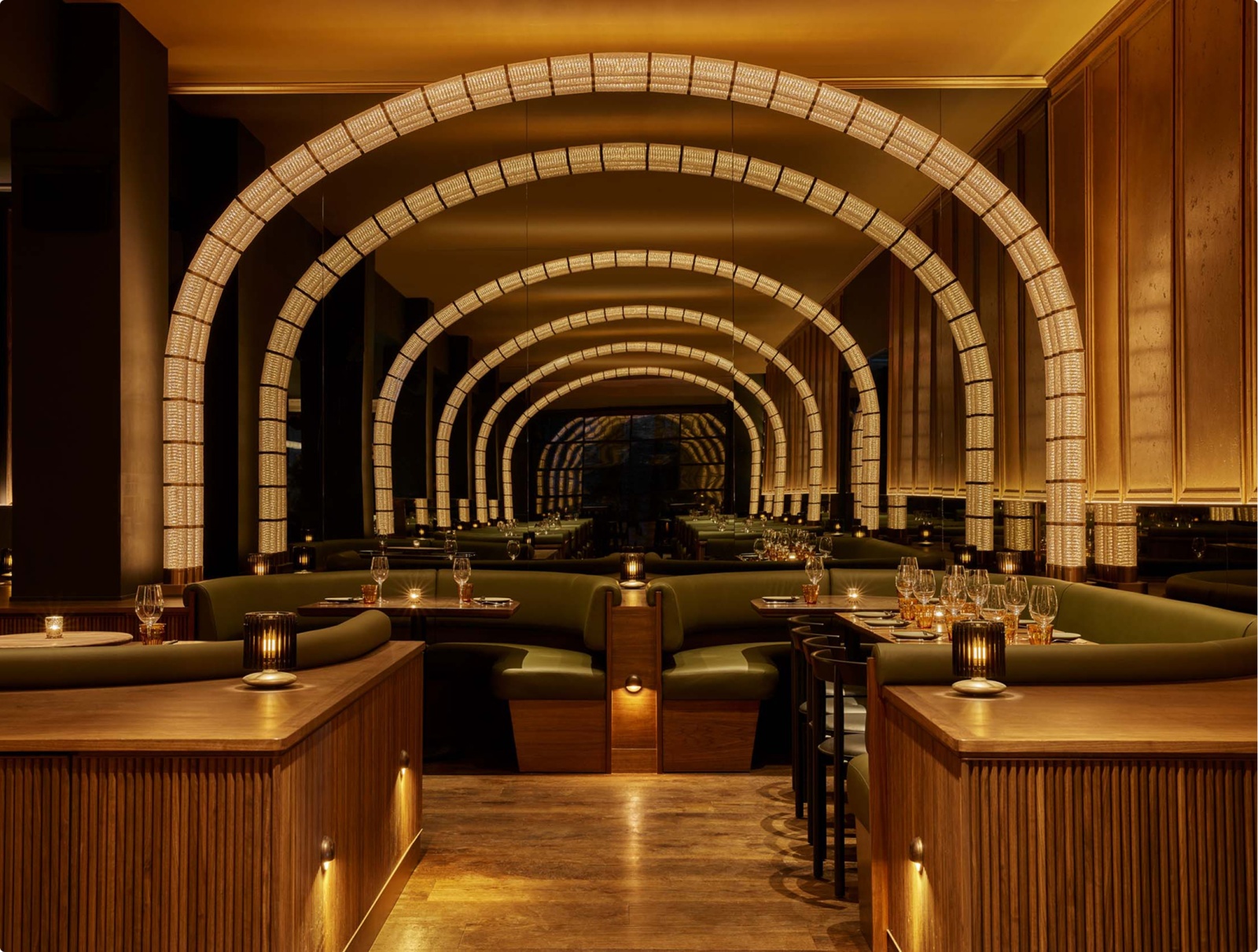
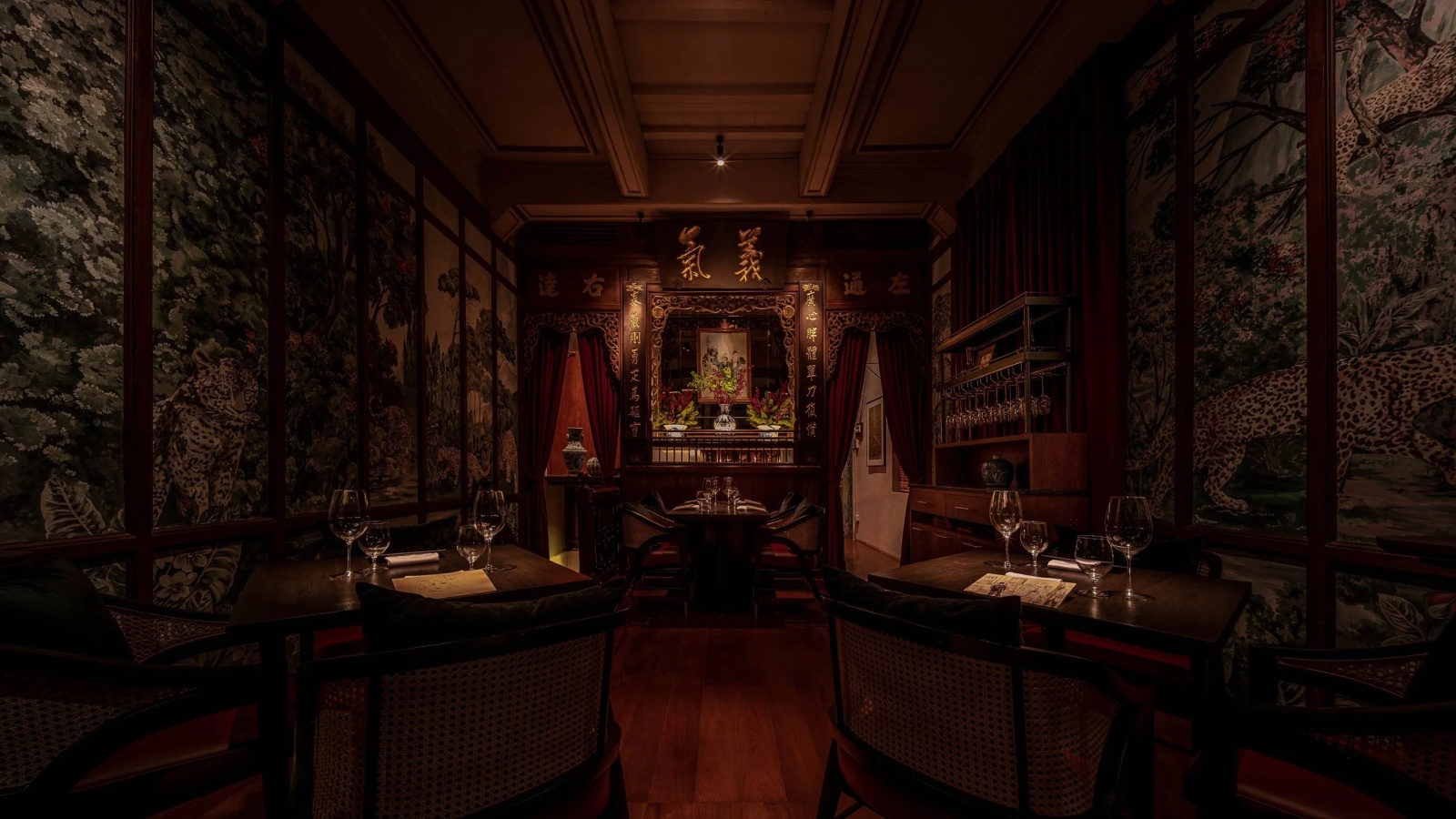
Potong in Bangkok demonstrates a similar ambition through Sojourn Design Studio's meticulous restoration of a 120-year-old shophouse, where Pichaya "Pam" Soontornyanakij's contemporary vision makes the building's century-old bones feel fresh while preserving cultural authenticity. Pollini, London extends the idea with Vincenzo De Cotiis's patinated metals, stone and art program that turns the room into a gallery for the cuisine; COQODAQ in New York, uses cast-glass and bronze arches to treat light as dramatic set pieces, staging a unified ritual.
Ready for Part Two?
See how these principles translate to commercial contexts — with WeWantMore case studies from Manhattn's, Crowne Plaza, AUM, Gatsu Gatsu and We Are EDN.
Visions Across Environments
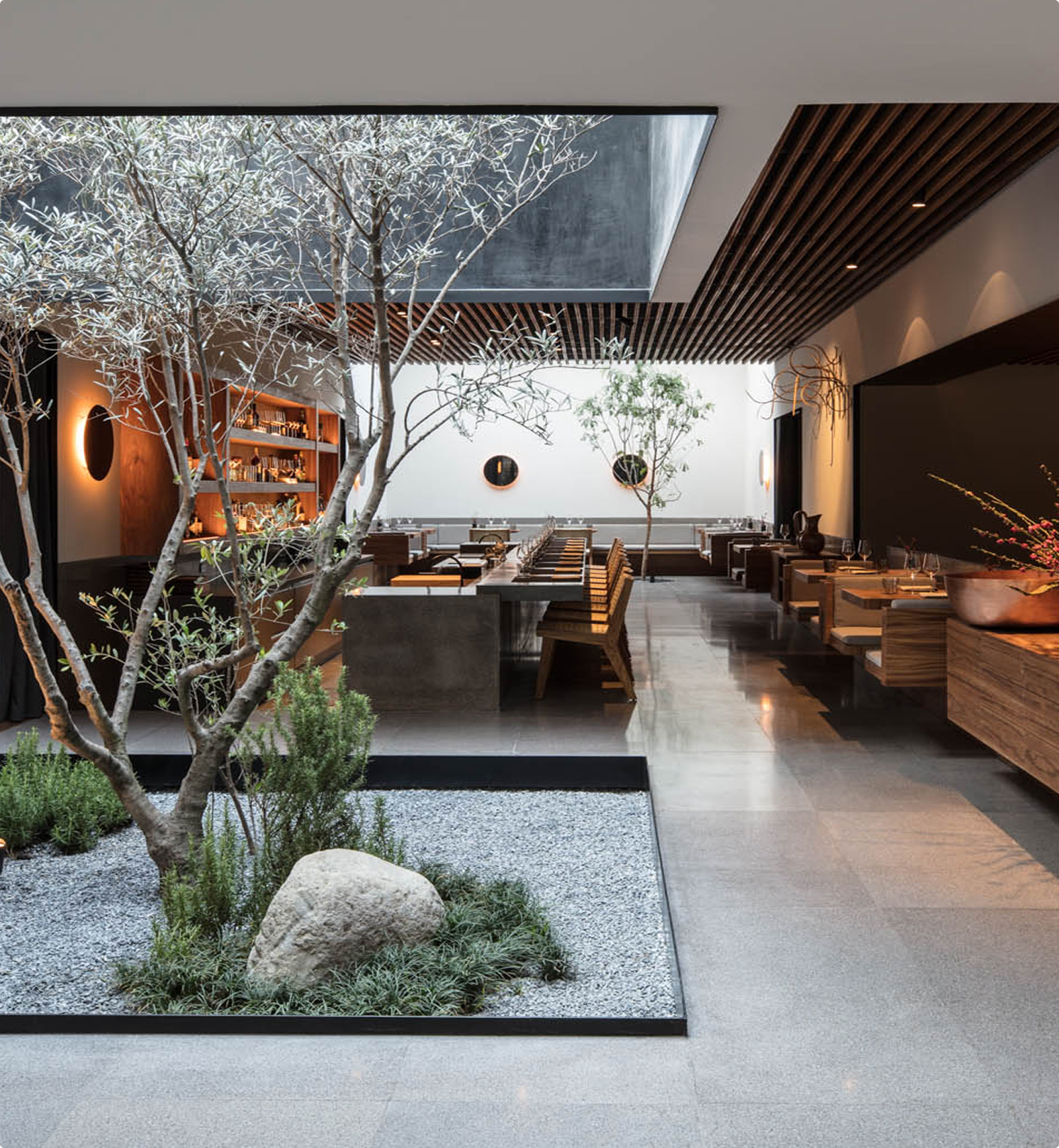
Visions Across Environments reveals how perfectionist chefs maintain impossibly high standards across radically different contexts. Following Mexico City's Pujol and New York City's Cosme, Damian exemplified this through Taller ADG's adaptive-reuse minimalism — transforming an industrial downtown LA space in a way that honoured both its heritage and Enrique Olvera's original Mexican culinary vision. The design became part of the restaurant's cultural DNA.
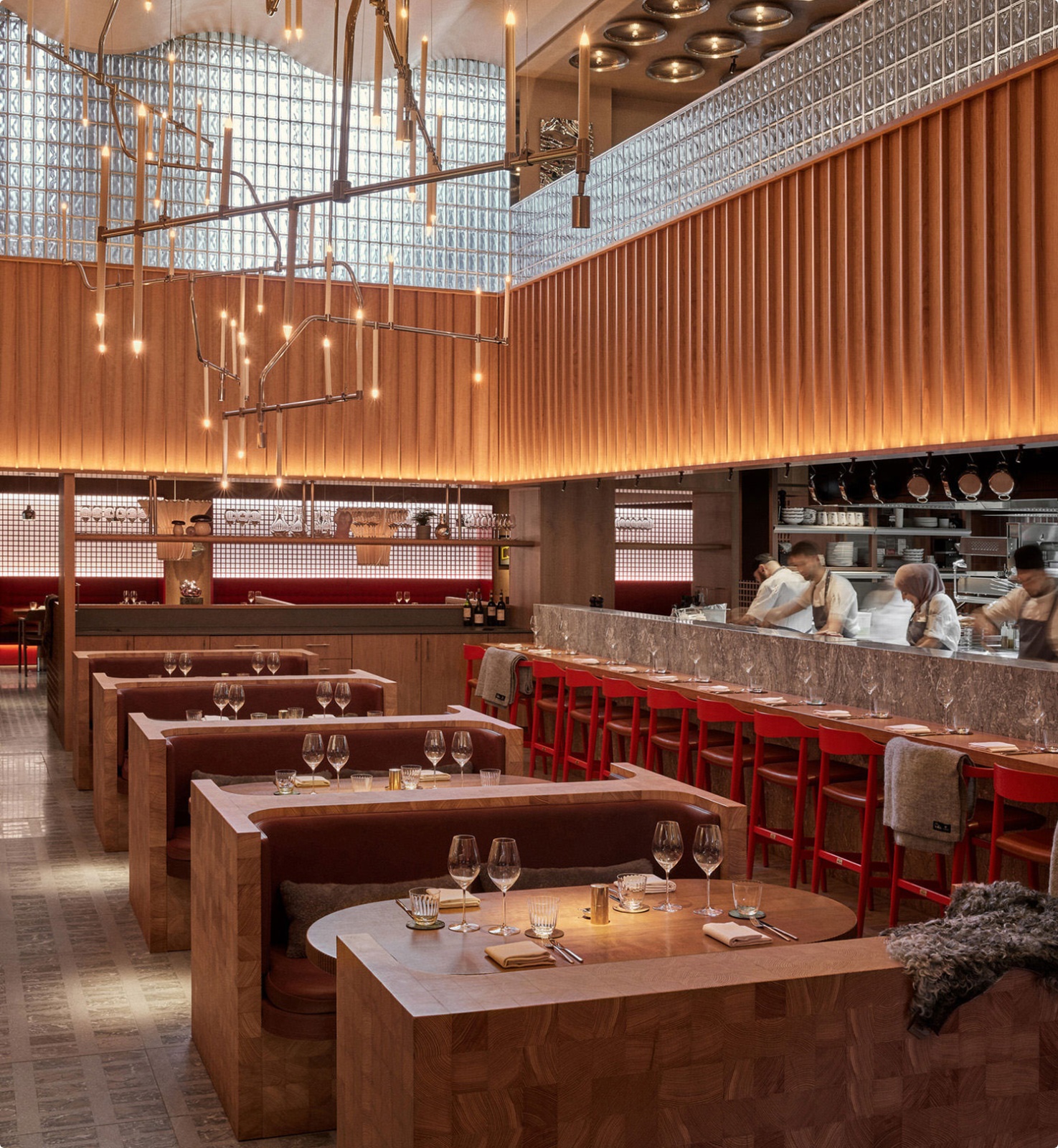
Studio Frantzén in Harrods demonstrated Björn Frantzén's ability to translate his uncompromising vision into a luxury department store context. Through Joyn Studio's design approach, the restaurant created intimacy within retail grandeur. Frantzén's global standard has held across environments: Zén in Singapore retained three Michelin stars in 2024, while his Dubai restaurant also achieved three stars, making him the only chef currently operating three three-star restaurants simultaneously.
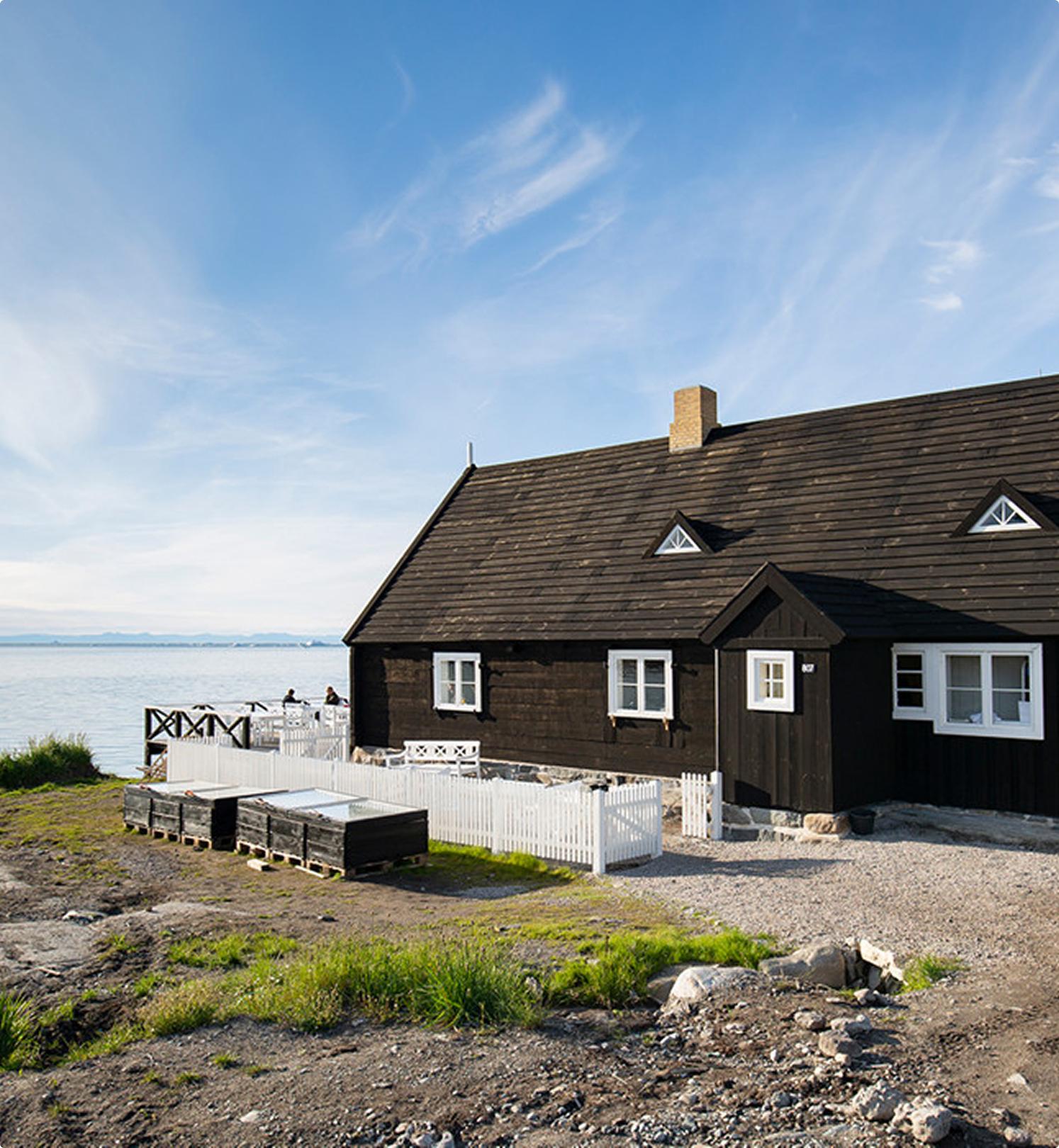
Perhaps the most striking example is KOKS, which temporarily relocated from the Faroe Islands to Ilimanaq in Greenland for three summer seasons (2022–2024). Housed in the historical colonial buildings of Poul Egede by the UNESCO-protected Ilulissat Icefjord, the two-Michelin-starred restaurant maintained its uncompromising vision in one of the world's most remote locations — proving that culinary excellence can not only adapt to extreme environmental constraints but be profoundly shaped by them.
The Architecture of Identity
These differing approaches and principles form a strategy for more progressive business thinking. An uncompromising creative vision isn't a luxury to be managed, but a core strategy to be leveraged. In today's dining culture, space becomes part of the chef's creative expression — not just a container for food and drink, but an active contributor to storytelling and the overall sensory experience.
By treating each space as part of the brand's proprietary IP, the team defines a set of non-negotiables — culinary philosophy, service rhythm, lighting, and acoustics. These principles are then adapted through materials, movement, and ritual at each location, creating consistency without sameness. Even within small footprints, a few high-impact moves — a hero material, tuned acoustics, choreographed sightlines — can strongly amplify identity without relying on scale.
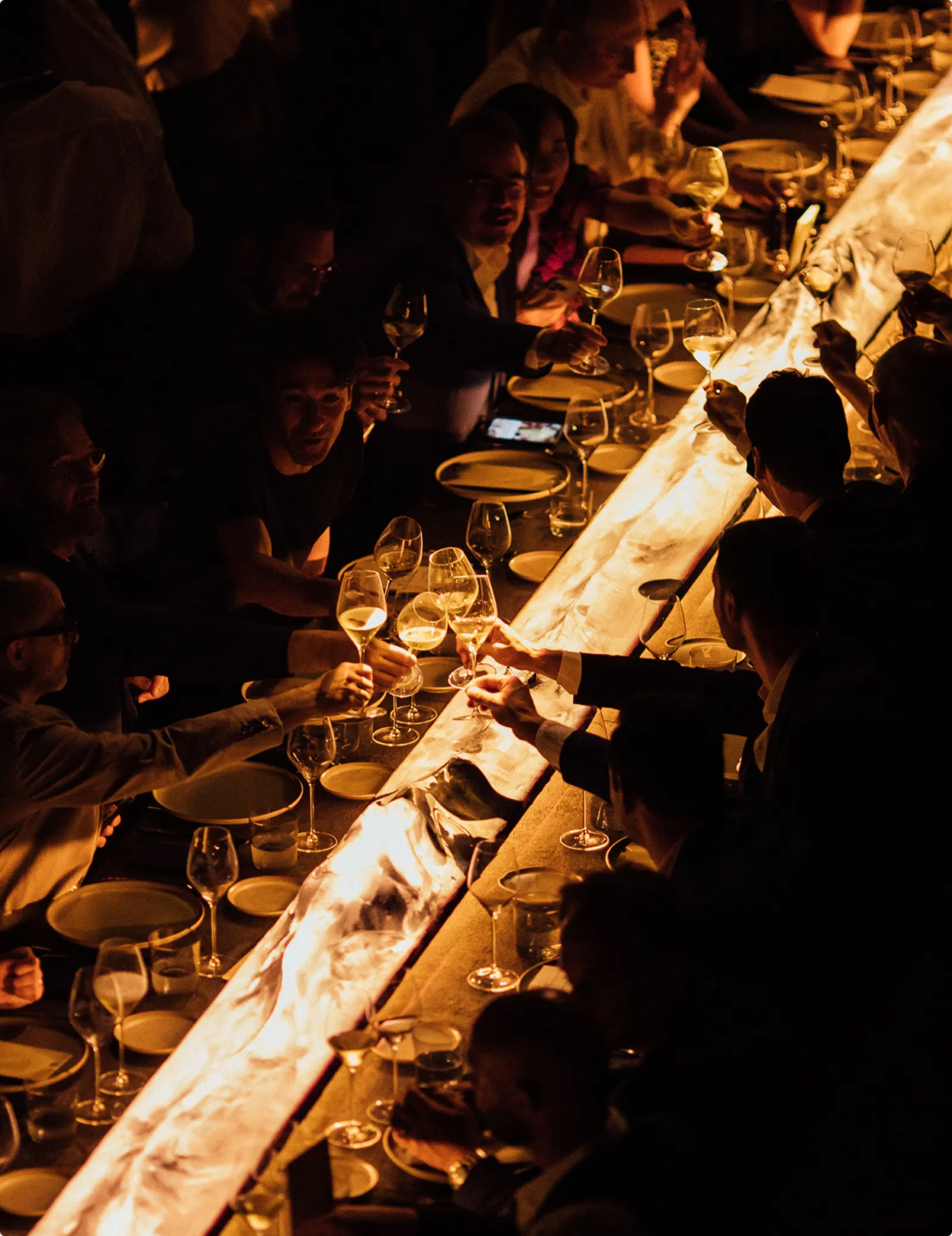
Whether designing a three-Michelin-star restaurant or a fast-casual chain, the question remains the same: what does the ultimate experience feel like for your audience, and how can space help create it?
Ruud Belmans — Executive Creative Director, WeWantMoreThe success of these establishments challenges the industry to move beyond cost competition toward creating cultural experiences that move the needle, creating destination status, loyalty and pricing power for which customers willingly continue to pay ever-premium prices.
At WeWantMore, we apply these exact principles — site-specific architecture, material innovation, storytelling, space as experience — across the full spectrum of F&B. Whether designing a three-Michelin-star restaurant or a fast-casual chain, the question remains the same: what does the ultimate experience feel like for your audience, and how can space help create it?